
About Neutral Drift
Neutral Drift is the result of chance over intention. I did not set out to create it; instead, it emerged along the way, mirroring the very process it explores: neutral evolution.
Artificial Evolution and the Aesthetics as Fitness
I have always been obsessed with complex systems: interconnected networks that self-organize and give rise to surprising behavior. Evolution is one such system that spans across centuries, too long for any human to observe. But computational technology allows us to replicate, experiment with, and observe the evolution of Artificial Life, or ALife, within minutes.
ALife researchers have created countless systems of life and evolution, worlds that differ radically from one another, emerging from only slight changes in their underlying rules. Tierra, by Tom Ray, was a digital-native artificial ecosystem project in which CPU runtime became the resource for life. We might expect evolution in Tierra to be different from our organic world, but it surprisingly produced parasites, co-evolution, and other familiar behaviors. What made this possible were the simple principles of evolution built into the system: inheritance, variation, and selection. The last of these is what we most strongly associate with evolution, the survival of those best adapted to their environment.
“Best adapted” is not a fixed idea. It shifts depending on the system, and at times, it can mean simply the most attractive. In Galápagos, an interactive art installation by Karl Sims, the audience becomes the judge of fitness. By looking at the creatures, the audience decides which ones survive and reproduce, with survival favoring those that hold attention longer. In this sense, beauty to the human eye becomes a form of fitness.
Becoming a Spectator
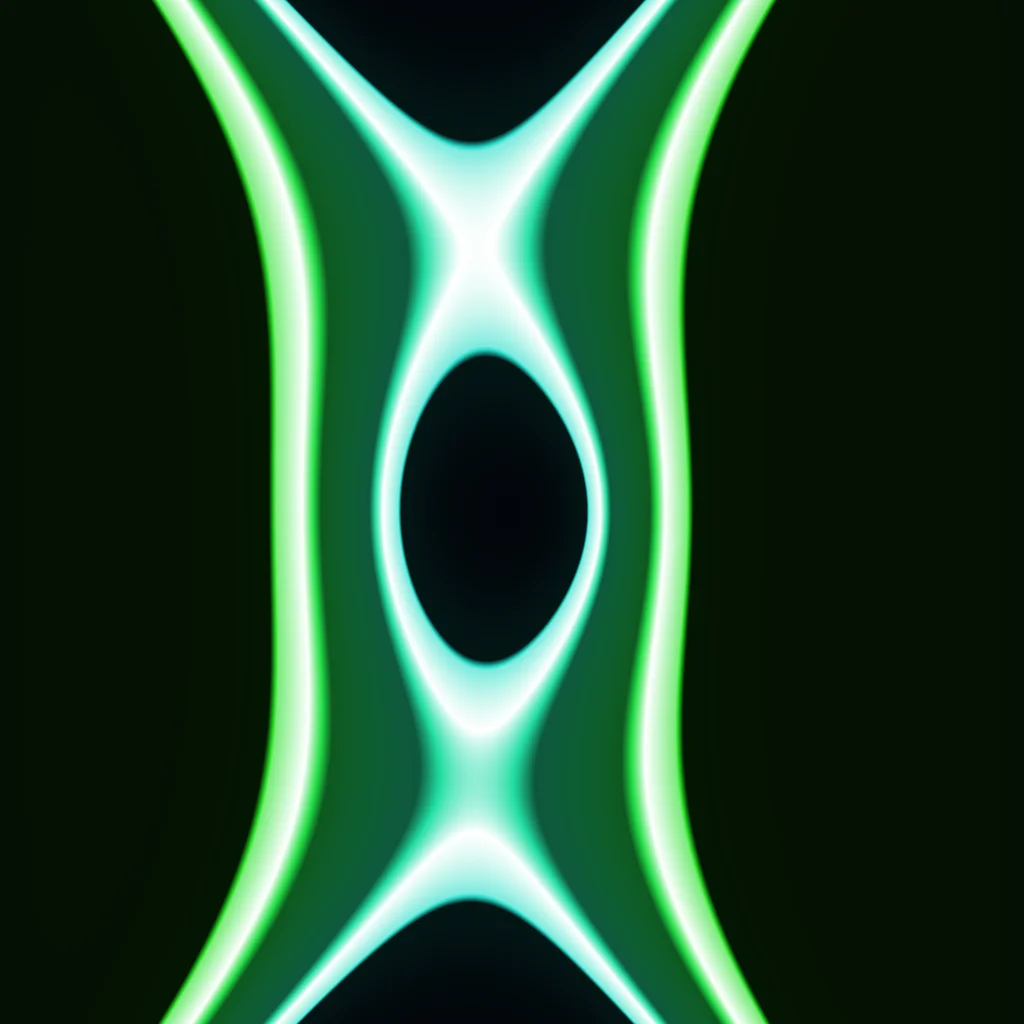
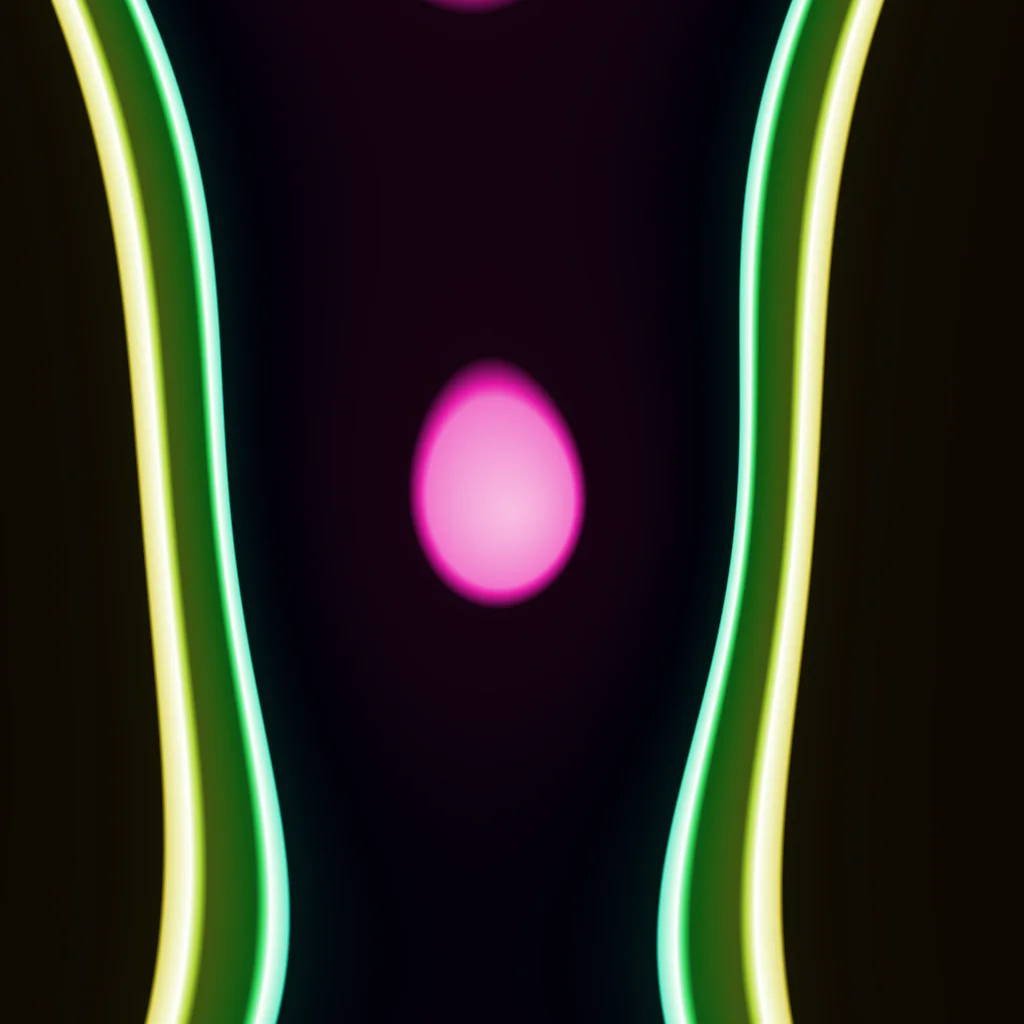
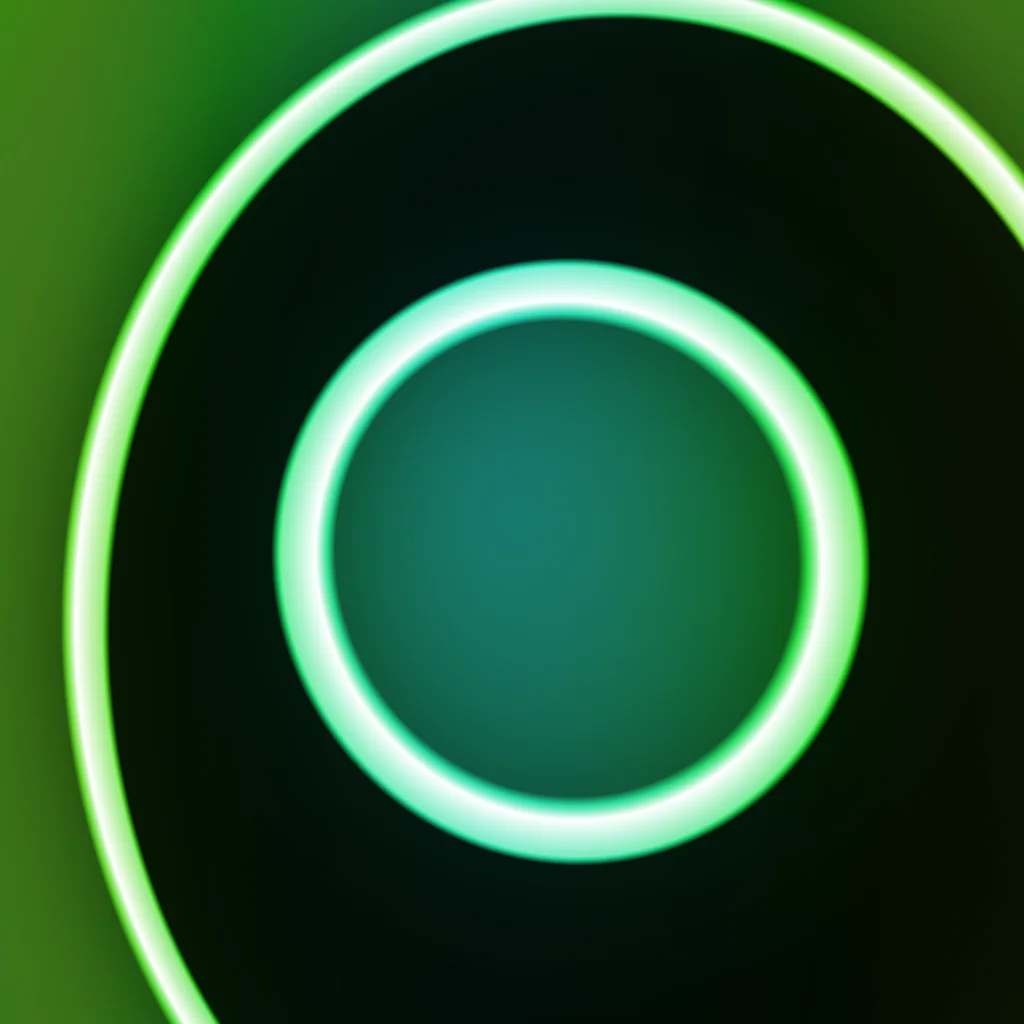
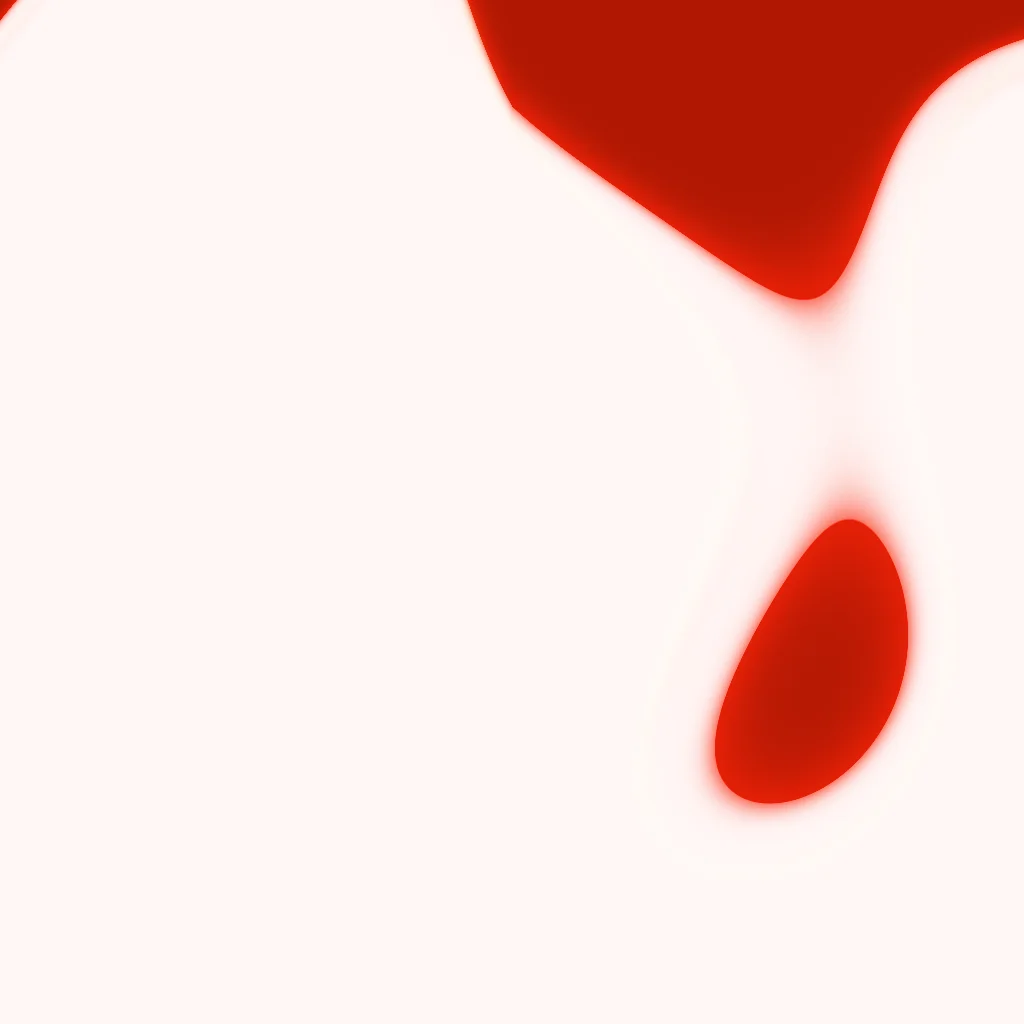
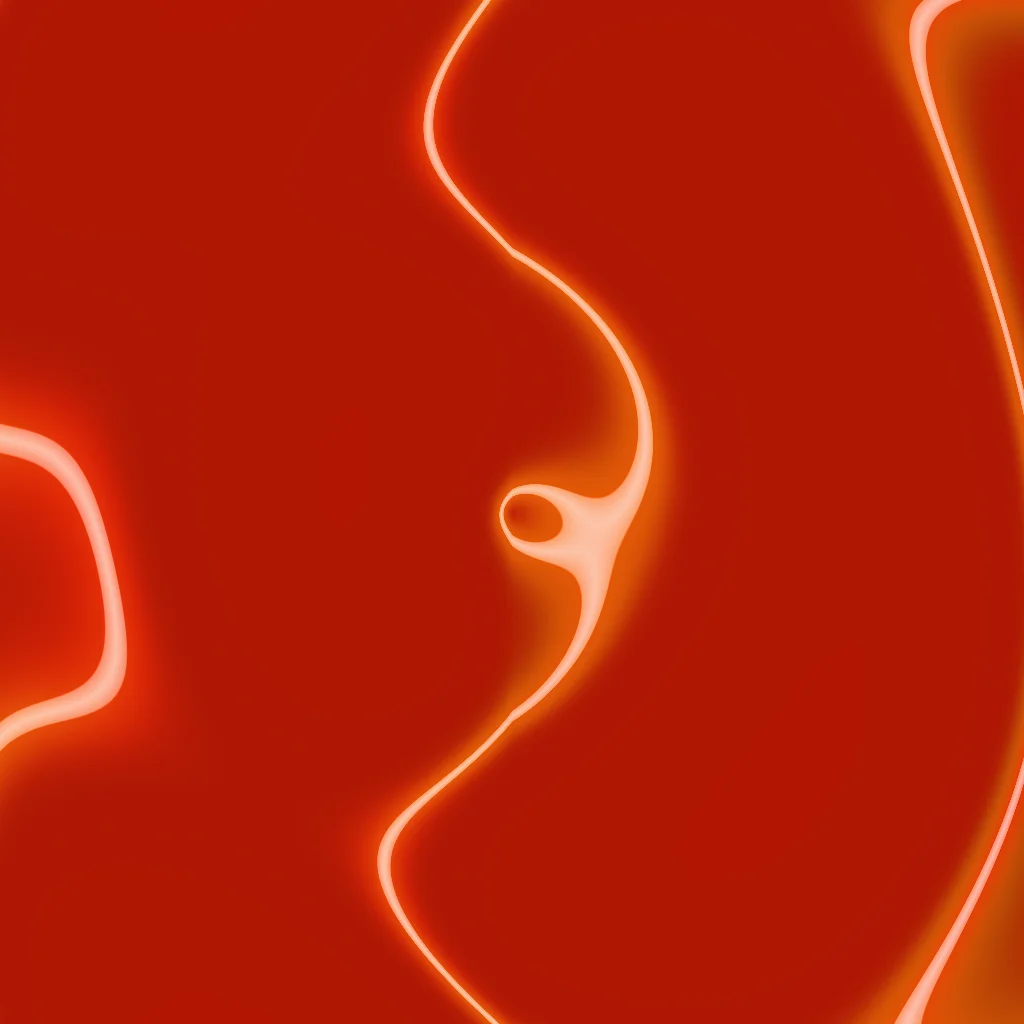
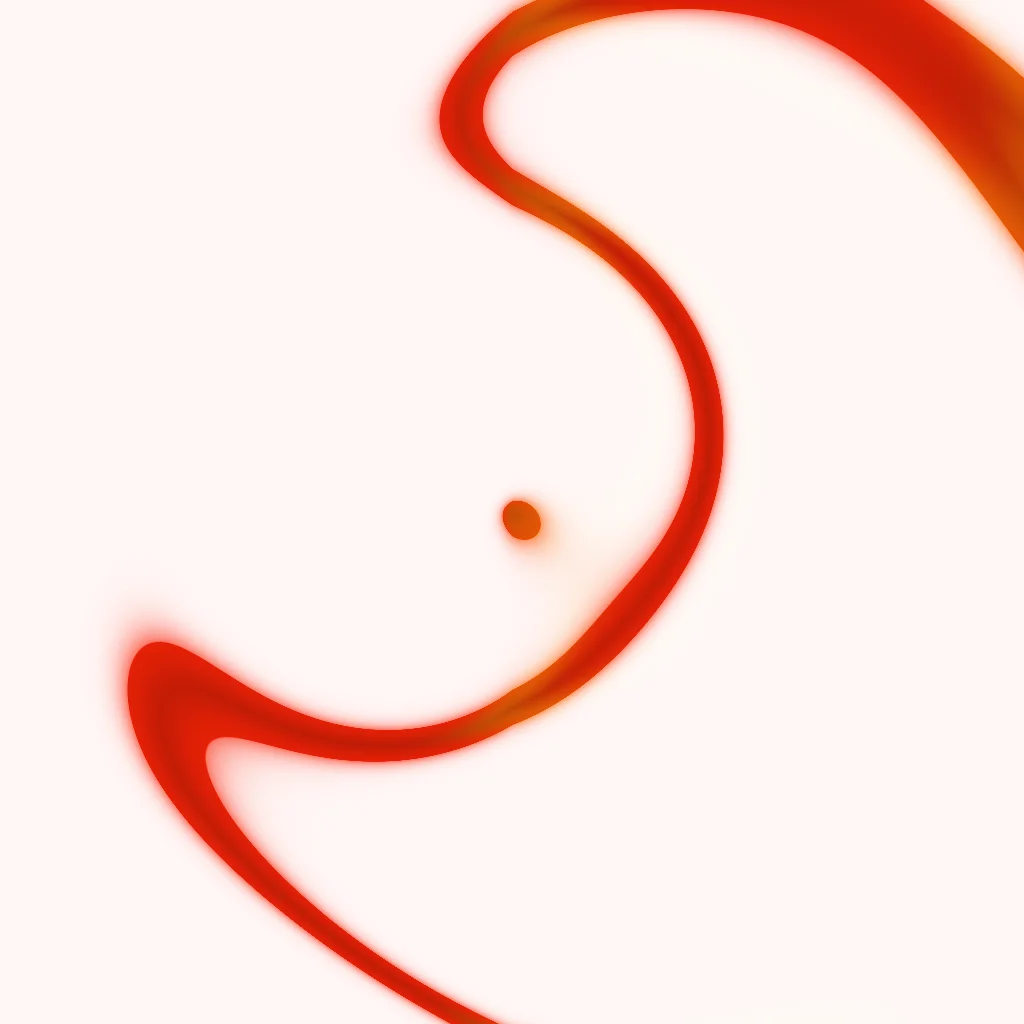
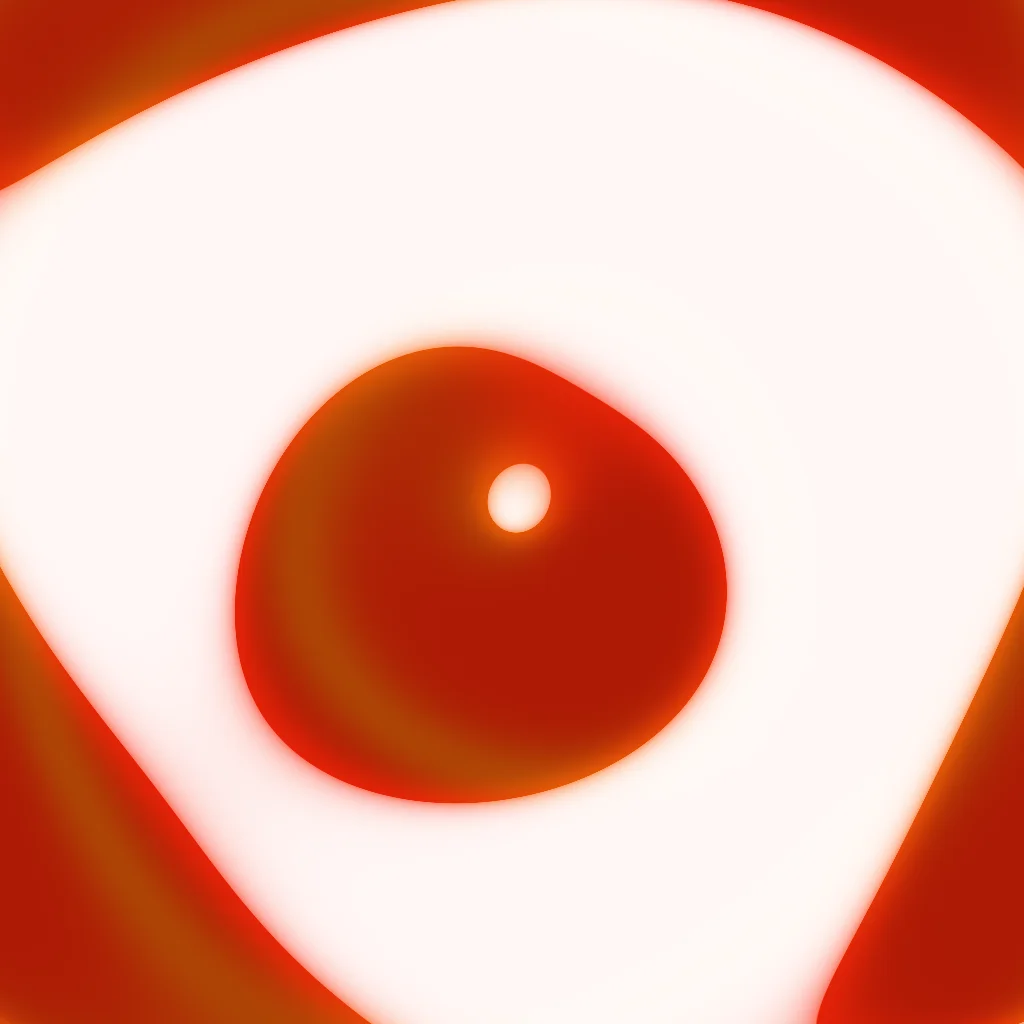
Picbreeder by The Evolutionary Complexity Research Group (EPlex) is a website that uses a similar concept. It lets users select desired image(s), then mating and evolving them over and over. Many people try to breed images that resemble recognizable objects. But as many discover, you cannot do that through strict curation. Often, the most beautiful images appear by chance. Only by wandering might you eventually succeed.
During my exploration of evolution through human aesthetics, I came to a similar thought about beauty by chance. I found that most of the images I liked were from random evolution rather than carefully directed evolution. I became more of a spectator, exploring a vast field of possibilities and finding something interesting only if I was lucky and attentive enough. In this sense, I felt like a photographer searching for beauty in a world of possibilities. But instead of nature, I was using a system of evolution as my space of possibility, and instead of capturing a fraction of a moment, I capture the process itself.
Recording the Drift
I began developing a system that would let me capture this evolution process and present it as a work. The first format I created was a video of the process itself. I call this the Dream State.
During my observation, I often found that the evolution of the images moved between slow drifting and sudden shifts. Generations of images would slowly evolve, with a slight shift in hue or shape. Then, suddenly, some images would evolve radically and were selected to reproduce. The majority of the next generation would be very different, with little connection to the past. The Dream State is a 2-minute video capturing this ebb and flow across 2,000 generations of 48,000 images.
Then I thought of presenting the evolution in a form that resembles a family tree, tracing the ancestors of images. It lets us see the history of evolution at a glance: how it began, when certain traits emerged or disappeared, and when the evolution shifted suddenly. This Fossil State is a still image of 48,000 images stitched together. Its layered visual structure suggests epochs of evolution in which similar organisms coexist.
In these works, we are only spectators, not authors of the evolution.
Work Format
Each work in Neutral Drift is a diptych, presented as two related NFTs: a Dream State and a Fossil State.
- The Dream State is a 2,000-frame sequence of the evolutionary drift (1570 x 1050 | 02:05 | MP4).
- The Fossil State compresses all generations into a single layered rectangle (3520 x 6600 | PNG).
The Owner of the NFT can:
- access the explorer to continue the evolution beyond 2,000 generations (from each work's page)
- explore and download the past 48,000 organisms and beyond
- request a high-resolution file for both Dream and Fossil
